The Parallel Process of Positive Reinforcement for Patient and the Family
The utilization of positive reinforcement is common practice within treatment settings to encourage compliance, engagement, and clinical growth. For young adults seeking treatment, the need for developmentally appropriate interventions includes the use of positive reinforcement, incentive achievement, and identifiable growth patterns. The use of incentive-based achievement through clinical intervention prepares young adults to receive and apply feedback, increases skill use, and builds comfortability with appropriate communication. Their clinical progression is often observed in age-appropriate behavior changes, reinforced by their treatment teams. As patients are eager to experience change, family systems also anticipate positive changes. The parallel process of the family engaging in treatment directed work while their identified patient engages in treatment, allows for a systems approach to recovery efforts and family. Family members can engage in similar clinical interventions as their loved ones, to increase their own skill use, appropriate communication, and apply feedback and coaching from clinical teams. By involving the family in similar and mirrored interventions of the identified patient, they can experience their own positive outcomes with treatment assignment, action planning, and skill development.
Primary Goals & Objectives:
- Attendees will learn positive reinforcement through incentive achievement for young adults.
- Attendees will develop understanding of treatment progression mirrored for patients and family.
- Attendees will identify ways to work with families of patients, to improve family member recovery efforts.
Speakers
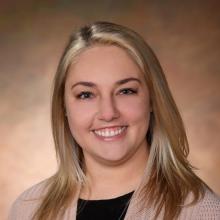
Heather Hafer is the clinical supervisor for the young adult program. Heather is responsible for supervising therapists and designing and implementing program schedules and treatment components tailored to each group’s treatment needs. She is trained in both cognitive processing therapy (CPT) and dialectical behavioral therapy (DBT), which has allowed her to work with colleagues to develop DBT-informed programs for patients, giving them another tool to use to look at themselves and their experiences through a nonjudgmental lens. She also has training in trauma-informed expressive arts therapy, an approach that uses the arts — music, storytelling, and others — to address trauma. Heather has a PhD in Addiction Psychology from Capella University, Master of Science degree in psychology from Capella University, and an undergraduate degree in applied psychology from Pennsylvania State University. She is also a certified advanced alcohol and drug counselor and a certified clinical supervisor, and has a certificate of competency in problem gambling through the PCB.
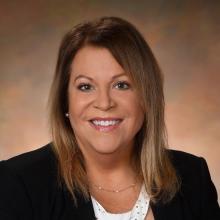
Karen Moser is a family therapist for young adults on Caron's Pennsylvania campus. In her role, she works with patients and families to better understand their family systems and improve their communication and relationships. Karen encourages families to begin their journey by making connections and staying engaged, offering support and resources to plan for the next step of recovery. She is a certified advanced alcohol and drug counselor with a Master of Arts in Counseling Psychology from Kutztown University of Pennsylvania and a certificate in trauma-informed care from Jefferson University, Philadelphia. Karen received a Bachelor of Arts in Criminal Justice and English from LaSalle University, Philadelphia.