Improving Treatment Outcomes in Groups: A Deep Dive into Therapeutic Factors
Group counseling is one of the most predominant and effective modalities in use today for addressing a multitude of treatment issues, including substance use and co-occurring disorders. Years of research have demonstrated the value of this modality, and many evidence-based approaches utilize group counseling. What is it that makes groups so effective? This training will take a deep dive into the various therapeutic factors which emerge during the group process and provide benefits to group members. The term “therapeutic factor” was coined by Humanistic Psychiatrist and researcher Irvin Yalom who originally identified eleven such factors in groups. Today, the term more generally refers to factors that lead to positive therapeutic changes resulting from the actions of the group counselor, the group members, and the group process itself. The more of these factors taking place within a group, the greater the therapeutic power and benefits to the members. Of all the clinical duties a group counselor must perform, facilitating the emergence of therapeutic factors is one of the most critical and often the most overlooked.
Training Objectives:
- Identify the Therapeutic Factors that Make Group Counseling Clinically Effective
- Review Irvin Yalom’s Eleven Therapeutic Factors for Groups
- Examine the Therapeutic Value of Communication Patterns in Groups
- Understand the Therapeutic Value of Group Dynamics
- Analyze how Content, Process and Context in Groups Affect Treatment Outcomes
- Discuss how the Stages of Group Development Impact Clinical Effectiveness
- Summarize how Synergy is Created Through Therapeutic Factors in Groups
Speakers
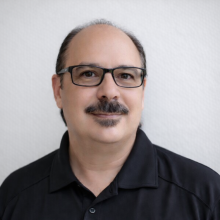
David Reyher, MSW, CAADC is a full-time faculty member at Alvernia University with over 20 years of teaching experience and serves as the Program Director of Alvernia’s Addiction and Mental Health Treatment Program. He continues to work as a part-time consultant and trainer in the behavioral health field specializing in addictions and co-occurring disorders. His clinical background spans 30 years and includes counseling and management positions in inpatient, outpatient and residential addictions and mental health settings.