Navigating the Ethics Gap: Organizational Ethics in Substance Use Disorder Treatment
Substance use Disorder treatment professionals face a critical ethical dilemma; while individual practitioners are bound by mandatory ethics codes from ACA, APA, NASW, NAADAC and state certification boards, the organizations they work for operate under no such requirements. This workshop exposes the gap between individual professional accountability and organizational practices, equipping participants to recognize, address, and prevent ethical conflicts in treatment settings. Participants will explore how organizational ethics cascade from mission statements through policies to daily operations, identifying common “ethical hotspots” including financial management, marketing practices, clinical programming, and workforce policies. Through interactive case study analysis, attendees will examine six realistic scenarios where organizational demands directly conflict with professional ethics codes- from falsifying documentation for reimbursement to premature discharge for census management to confidentiality breaches for marketing purposes. This highly interactive session utilizes small group discussions, case-based learning, and practical application exercises. Participants will learn a structured decision-making framework for navigating organizational dilemmas and develop concrete action plans for their own settings. By the end of the training, participants will be able to
- Describe organizational ethics and differentiate between them and individual professional ethics
- Distinguish between professional scope of practice and individual scope of competence and identify the unique scope considerations in addiction treatment settings
- Analyze organizational and systemic pressures that compromise scope adherence and articulate the legal, ethical, and clinical risks
- Apply a structured decision-making framework to evaluate scope-related ethical dilemmas in real time
- Demonstrate effective communication strategies for maintaining competence boundaries with supervisors, colleagues, and administrators
- Develop supervision and consultation models that support competence development while protecting clients
Speakers
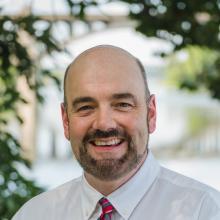
John Houton was born in Philadelphia and was raised in Springfield, PA. He has worked in Social services since 2000, starting with homeless, run-away, and at-risk youth in inner-city Philadelphia. He has lived and worked in Ireland and Lancaster County PA where he trained and focused practice on trauma, attachment, and sexual abuse issues.
John has focused on treatment of addiction and co-occurring disorders in community-based organizations as well as in-patient and out-patient levels of care. He has extensive experience and is passionate about care and treatment of first responders and military personnel. John's focus on community development and collaboration has led to a number of volunteer opportunities and community leadership roles.
John received his Bachelor of Science from Widener University in Chester, PA, Master of Science in Pastoral Counseling and Care at Neumann University in Aston, PA, and PhD. in Clinical Pastoral Mental Health Counseling from Neumann University. He is a Licensed Professional Counselor (LPC) in the Commonwealth of Pennsylvania since 2014, credentialed as a Certified Advanced Alcohol and Drug Counselor (CAADC), and certified as a Substance Abuse Professional (SAP) for the Federal Department of Transportation. John conducts trainings, consultations, and workshops for other treatment providers and community organizations throughout the Mid-Atlantic states and is passionate about improving communities and helping families heal through best treatment practices and care.
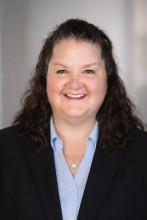
Dr. Jill A. Schott is a Licensed Professional Counselor with over 15 years of clinical experience and specialized expertise in trauma, grief, and military/veteran populations. She earned her Ph.D. in Counselor Education and Supervision with Spiritual and Pastoral Integration from Neumann University, where her dissertation examined trauma-related symptoms and spirituality in post-deployed military personnel.
Dr. Schott is the owner of Sacred Spaces Counseling Center, LLC, where she provides clinical counseling to adolescents and adults. She serves as an adjunct instructor at Immaculata University, teaching in the Clinical Mental Health Counseling program, and provides clinical supervision to master's level students at Neumann University. She holds credentials as a Licensed Professional Counselor (PA), Licensed Professional Counselor of Mental Health (DE), National Certified Counselor, and Certified Grief Informed Professional.
A sought-after presenter, Dr. Schott has delivered numerous continuing education workshops on topics including first responder trauma, suicide prevention and intervention, moral injury, and the integration of spirituality in clinical practice. Her clinical background includes work in hospice care, intensive outpatient settings, and private practice, with particular focus on serving military personnel and individuals experiencing grief and loss.